6 Handmade Plant Motifs: Creative, Versatile Design Assets for Modern Makers
Plant motifs have flourished in art and design for millennia — from ancient Egyptian lotus carvings to Art Nouveau’s sinuous vines and contemporary digital surface patterns. Today, handmade plant motifs offer more than aesthetic charm; they’re functional, expressive, and deeply adaptable tools for designers, crafters, educators, and small-business owners. Whether you're developing textile prints, branding assets, packaging illustrations, or classroom visuals, thoughtfully crafted botanical patterns bring organic warmth, visual rhythm, and cultural resonance to your work.
Why Handmade Plant Motifs Stand Out in a Digital World
In an era saturated with AI-generated graphics and algorithmic repeats, handmade plant motifs carry unmistakable human character. Each line, curve, and leaf shape reflects intention, texture, and subtle imperfection — qualities that build authenticity and emotional connection. Unlike generic stock patterns, these motifs are drawn, inked, scanned, and refined by hand before digitization, preserving the artist’s voice while ensuring technical precision.
This hybrid approach — hand-drawn craftsmanship meets vector-ready scalability — makes them ideal for both analog and digital workflows. You can laser-cut them onto wood, screen-print them on tote bags, layer them into editorial layouts, or animate them for social media — all without losing clarity or charm.
What’s Included in This Collection: Practical Details for Real-World Use
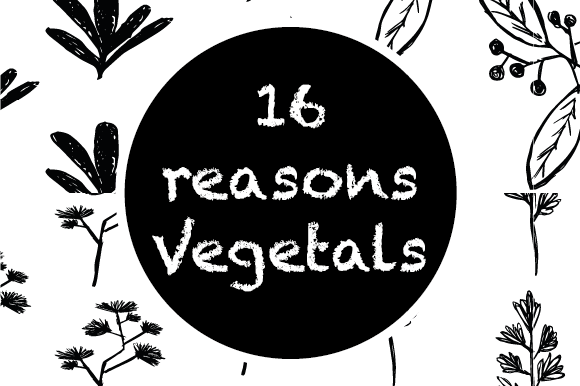
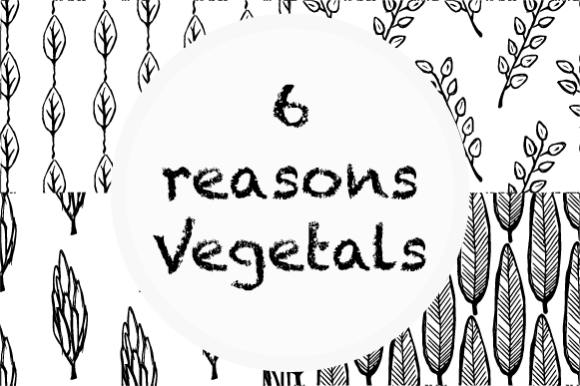
This curated set features six distinct handmade plant motifs, each designed to serve diverse creative needs. To ensure seamless integration across platforms and projects, the collection includes:
- Bass files (AI format): One consolidated Adobe Illustrator file containing all six motifs as editable vector layers — perfect for color adjustments, scaling, or combining elements.
- Six individual AI files (400 × 400 mm): Optimized, tile-ready patterns — ready for immediate use in fabric printing, wallpaper design, or large-format signage.
All files are delivered in industry-standard Adobe Illustrator (AI) format, compatible with CS6 through CC 2024+. No fonts or external links are embedded — just clean, scalable vectors you own and control.
How These Motifs Support Different Types of Work
Each motif is intentionally versatile — not limited to one application. Here’s how they translate across disciplines:
- Textile & Surface Design: Use the 400 × 400 mm repeat patterns to develop fabric collections for apparel, home décor, or stationery. The balanced scale ensures crisp registration during digital printing or rotary screen processes.
- Branding & Packaging: Isolate individual leaves, stems, or blossoms to create custom icons, watermarks, or border accents for eco-conscious brands — think herbal teas, sustainable skincare, or botanical apothecaries.
- Educational Resources: Teachers and curriculum designers can import motifs into worksheets, flashcards, or interactive whiteboard lessons about plant biology, symmetry, or cultural symbolism (e.g., olive branches = peace, cherry blossoms = transience).
- Digital Illustration & UI Design: Layer motifs as subtle backgrounds in app interfaces, e-learning dashboards, or presentation decks — adding visual interest without overwhelming content.
- Craft & Maker Projects: Import into Cricut Design Space or Silhouette Studio for cutting vinyl decals, embroidery templates, or ceramic transfer sheets. Their clean outlines simplify tracing and weeding.
- Architectural Visualization & Interior Mood Boards: Scale motifs up for conceptual wall treatments or down for furniture upholstery swatches — supporting holistic spatial storytelling.
Debunking Common Misconceptions About Plant Motifs
Many assume plant-based patterns are “just decorative” or inherently “feminine” or “old-fashioned.” Let’s clarify:
- Misconception: “They only suit boho or rustic styles.”
Reality: With thoughtful color palettes and layout variations, these motifs adapt effortlessly to minimalist, industrial, cyberpunk, or even data-driven aesthetics — imagine monochrome ferns layered over grid-based infographics or neon-accented succulents in tech startup branding. - Misconception: “Handmade means low-resolution or hard to edit.”
Reality: These motifs are hand-drawn then converted to precise vector paths — meaning infinite scalability, full path editing, and compatibility with professional production pipelines. - Misconception: “One motif fits all applications.”
Reality: Scale, density, and composition matter. A tightly packed vine pattern works for wallpaper but overwhelms a business card. That’s why this collection offers six distinct motifs — each calibrated for specific visual weights and repetition behaviors.
The Broader Significance: Why Botanical Patterns Still Matter
Botanical motifs do more than look beautiful — they tap into deep-seated psychological and cultural associations. Research in environmental psychology shows that nature-derived visuals reduce stress, improve focus, and foster feelings of safety and renewal. In workplaces, schools, and healthcare settings, integrating plant-based design supports biophilic design principles — a growing movement linking built environments to human well-being.
From a sustainability perspective, plant motifs also serve as quiet advocates. When used by eco-brands or educational initiatives, they reinforce values like growth, interdependence, and regenerative cycles — aligning visual language with mission-driven messaging.
Moreover, in a world increasingly mediated by screens, tactile, organic patterns help ground digital experiences. A newsletter header with a delicate hand-drawn eucalyptus motif feels more personal and trustworthy than a generic geometric tile — reinforcing Experience, Expertise, Authoritativeness, and Trustworthiness (E-E-A-T) for your audience.
Getting Started: Tips for Using These Motifs Effectively
To maximize impact and avoid common pitfalls, consider these practical tips:
- Start with purpose: Ask, “What emotion or message should this motif support?” A bold, asymmetrical monstera may convey innovation; a delicate, symmetrical jasmine suggests refinement.
- Respect scale hierarchy: Pair larger motifs (like full branch compositions) with smaller supporting elements (individual buds or seed pods) to create visual depth.
- Test color contrast: Especially for accessibility — ensure motifs remain legible against backgrounds in both print and digital formats.
- Modify mindfully: Since these are vector files, feel free to recolor, rotate, or duplicate elements — but preserve negative space to avoid visual clutter.
- Think beyond decoration: Use motifs to guide the eye (e.g., vines leading toward a call-to-action button) or encode meaning (e.g., intertwining roots symbolizing community in nonprofit materials).
Final Thoughts: Cultivating Creativity, One Motif at a Time
These six handmade plant motifs are more than decorative assets — they’re flexible, meaningful, and ethically grounded design tools. They reflect care in creation, clarity in execution, and intention in application. Whether you’re launching a wellness brand, designing a kindergarten science unit, prototyping sustainable packaging, or illustrating a poetry chapbook, these patterns offer a bridge between natural inspiration and professional precision.
By choosing handmade botanical motifs, you’re not just selecting visuals — you’re embracing a slower, more thoughtful approach to making. One that honors craft, supports sustainability, and invites connection. And because they arrive in ready-to-use AI files — with no licensing restrictions for commercial or personal projects — you can begin cultivating your next idea today.
Download the full collection now — including the master Bass file and six 400 × 400 mm pattern files — and start integrating timeless botanical beauty into your creative workflow.